Branches & ATM/CDM

News - Events
Back to previous

When Are You Truly Financially Independent?

Financial independence goes beyond paying your own bills. Stable income, an emergency fund and the ability to make independent decisions are key milestones to consider before moving out or changing jobs.

Paying your own rent, covering daily expenses or shopping with your own income are important first steps towards financial independence. But being financially self-reliant means more than simply being able to pay your bills. It also means having the financial resilience to deal with unexpected events and the freedom to make choices without putting your long-term goals at risk.
Build a stable financial foundation
Before taking on greater financial commitments, take stock of your income, expenses and existing obligations. A stable source of income is important, but so is understanding how much you can actually set aside after essential spending. Track your cash flow over several months to identify recurring costs, discretionary spending and opportunities to optimise your budget.
If your income varies, plan around a conservative estimate rather than your best month. This gives you a more realistic view of what you can afford and helps prevent lifestyle expenses from rising faster than your earnings.
Prepare an emergency fund before making major changes
Moving out, changing jobs or starting a new chapter can involve costs that are difficult to predict. An emergency fund can help cover essential living expenses if you lose your job, face a medical bill or encounter another unexpected event. As a general guideline, aim to set aside three to six months of essential expenses, adjusting the amount based on income stability, dependants and personal circumstances. Keep this reserve readily accessible and separate from money intended for investment or planned purchases. The purpose is not to maximise returns, but to ensure that you can meet essential commitments without relying on high-cost borrowing or liquidating long-term investments at an unfavourable time.
Make financial decisions with a longer-term view
Financial independence also involves making choices that support your future. Before taking on a loan or a major purchase, consider the total cost, repayment schedule and impact on your monthly cash flow. If you use a credit card, understand the interest rate, fees and payment due date, and aim to repay the full outstanding balance on time. At the same time, set clear savings goals for priorities such as further education, housing or retirement. Review your financial plan whenever your income, family circumstances or goals change. Independence is not a fixed amount of money; it is the ability to manage resources responsibly and adapt to changing circumstances.
OCB accompanies you on your journey towards greater financial independence:
✨ OCB Dream Account: A convenient account solution to support everyday money management.
✨ OCB Mastercard Lifestyle: Enjoy payment convenience and lifestyle privileges with a credit card designed for everyday experiences.
✨ Term Savings Deposit: Build savings steadily towards your short- and long-term financial goals.
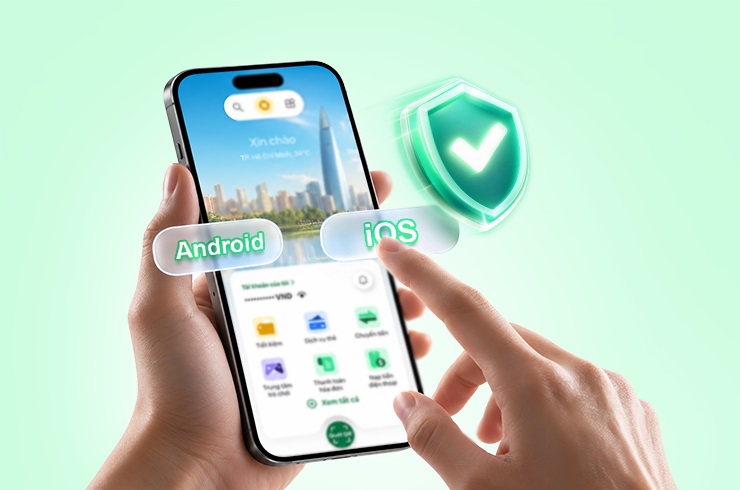
Through the OCB OMNI digital banking app, you can manage your accounts and access banking services conveniently in one place.
Financial independence is not about having everything figured out from day one. It starts with understanding your cash flow, preparing for uncertainty and making choices that keep your future options open.
Related news
See more