Branches & ATM/CDM

News - Events
Back to previous

Teaching children about money in the digital age

As children encounter online shopping, games and e-wallets at an increasingly young age, what should parents teach them about the value of money, spending boundaries and online safety?

Teaching Children About Money in the Digital Age
As online shopping, video games and cashless payments become more common, children may encounter spending decisions at an increasingly young age. Yet when a payment takes only a few taps, the real value of money can be difficult for them to understand. Where should parents start to help children understand money, make choices and use financial technology safely?
Help children understand the value of money—not just how to spend it
In the digital environment, buying a toy, subscribing to a service or adding credit to a game can be completed with a single tap. Children may notice the convenience without realising that every transaction uses part of the family budget. Rather than simply explaining that money is used to buy things, parents can help children understand the relationship between income, spending and saving through familiar situations. For example, when shopping together, set a small budget and let your child choose items within that limit. This helps them distinguish between wants and needs and understand that choosing one item may mean postponing another. Learning the value of money is not about saving at all costs; it is about thinking carefully before spending.
Set spending boundaries in the digital world
When children begin using personal devices, games, apps and shopping platforms can create unexpected spending opportunities. Parents should establish clear rules about budgets, permitted transactions and purchases that require adult approval. For older children, a regular allowance can become a practical way to learn money management. Encourage them to divide it into three purposes: spending, saving and sharing. If they want something more expensive, they can learn to save towards it over time rather than expecting an immediate purchase. The important thing is to let children practise making choices within boundaries appropriate to their age. Small decisions today can help develop financial self-reliance in the future.
Teach digital skills alongside financial safety
In addition to managing spending, children need to understand the risks of using money online. Parents should explain that passwords, verification codes, card details and payment-account information must never be shared. Children should be cautious about unfamiliar links, prize advertisements and offers that seem too good to be true. Encourage them to speak with a parent before making an online payment or providing personal information. Authentication and payment controls on devices should also be configured appropriately. Rather than completely preventing children from using financial technology, parents can guide them and gradually expand their independence as they become more capable. Financial education in the digital age is not only about knowing how to use money; it is also about making responsible choices and protecting oneself.
To help your family manage finances and prepare for your child's future, OCB accompanies you with:
✨ Payment Account: Help parents manage cash flow, monitor spending and plan the household budget.
✨ Savings: Build goal-based savings for education and important milestones in your child's development.
✨OCB Mastercard Platinum: Support parents' shopping and spending needs with eligible cashback offers across selected categories.
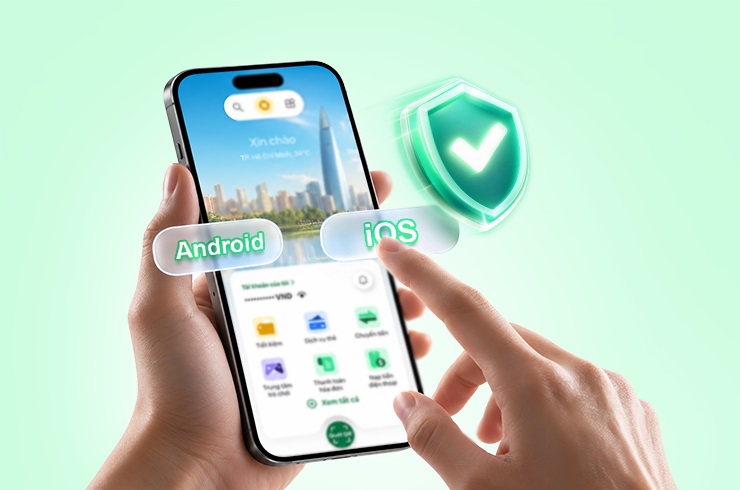
Through the OCB OMNI app, parents can conveniently manage accounts and monitor financial transactions on one platform.
Teaching children about money early is not about making them worry about finances. It is about helping them approach future decisions with understanding, confidence and responsibility.
Related news
See more